How to choose the right overlanding vehicle without making the wrong choice ? That’s the real question !
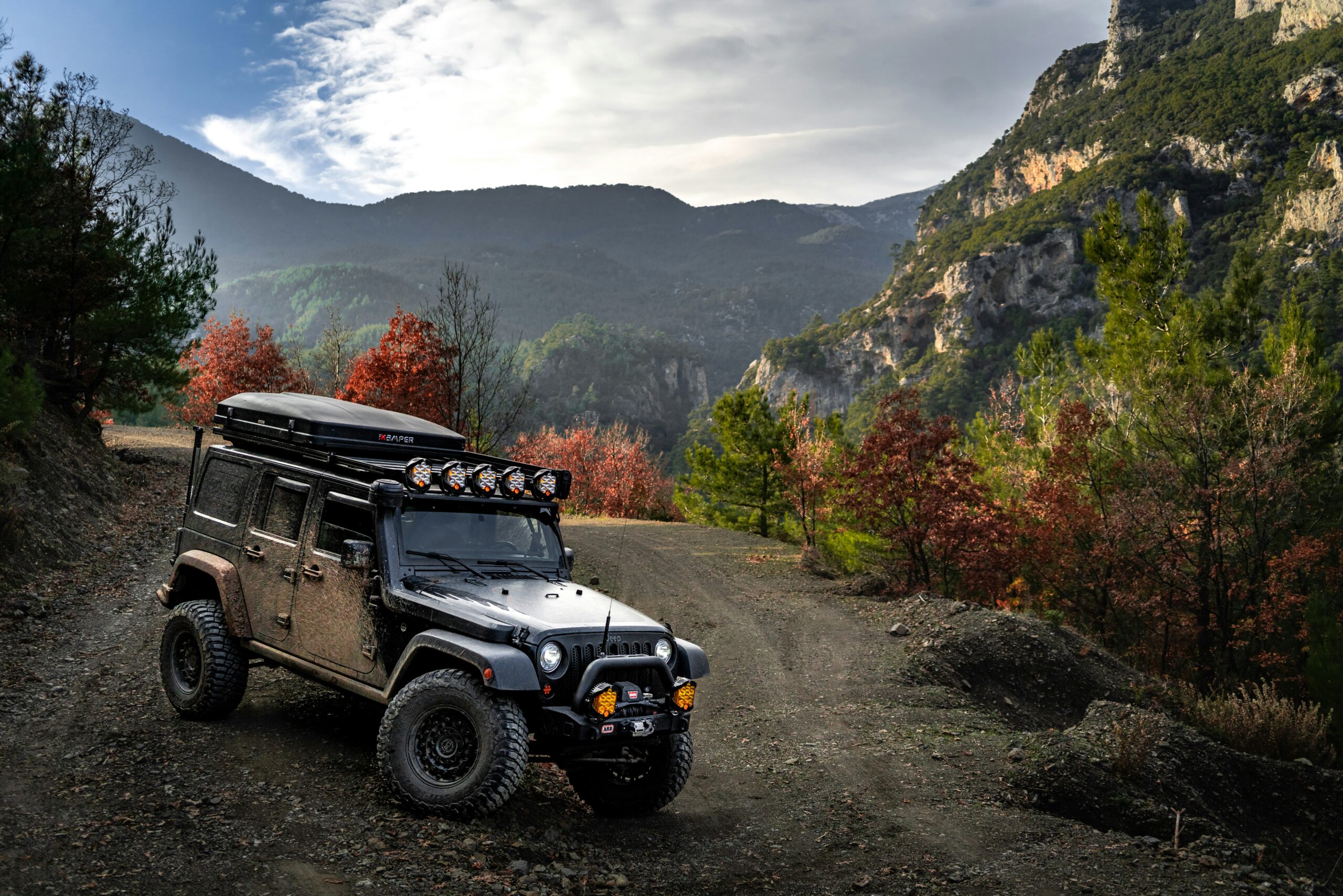
Choosing a vehicle for overlanding has very little to do with style or image… well, almost. Let’s say it doesn’t, except maybe for the little eternal rivalry between “Land Rover people” and “Toyota people”.
Beyond that, it’s above all a foundational decision that will shape your freedom, your comfort, your routes, and your ability to handle the unexpected.
The problem is that many people make this choice based on an idealised vision of travel. In reality, on the road, it’s rarely the sunsets that cause issues, but rather rain, fatigue, breakdowns, or logistical constraints.
Before even talking about models or modifications, it’s important to go back to a simple base : understanding how you actually want to travel.
A choice that starts with your lifestyle
Behind the choice of a vehicle lies, in reality, a lifestyle decision. Some people want to move every day, stay light, and stop easily wherever they feel like it. Others look for autonomy, the ability to stay in one place for several days, with a certain level of comfort.
It’s this difference that explains why there are so many different setups.
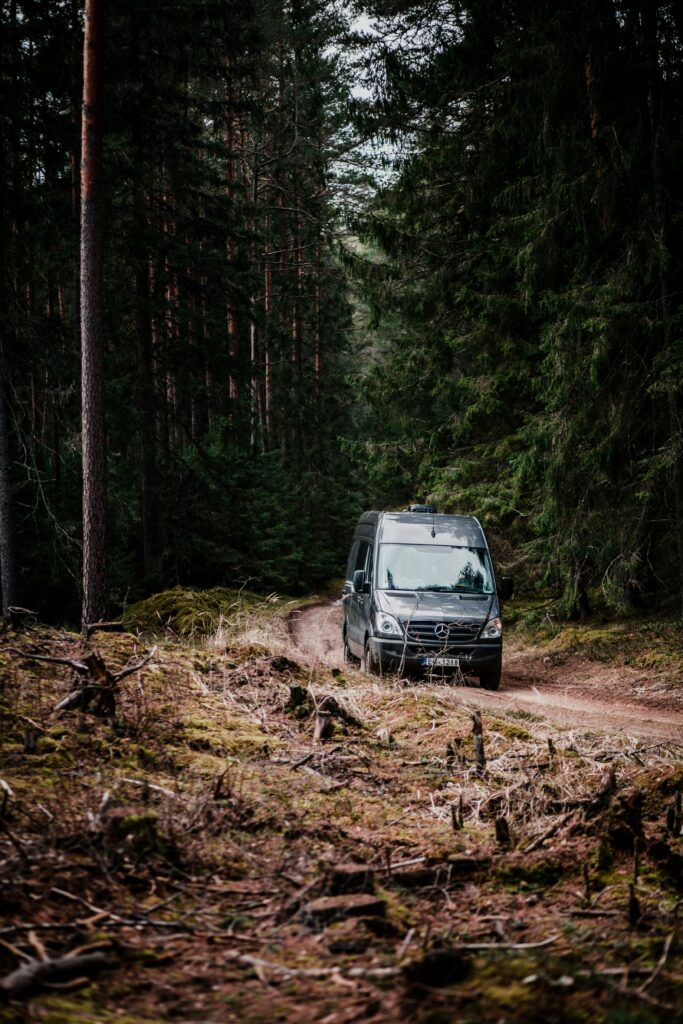
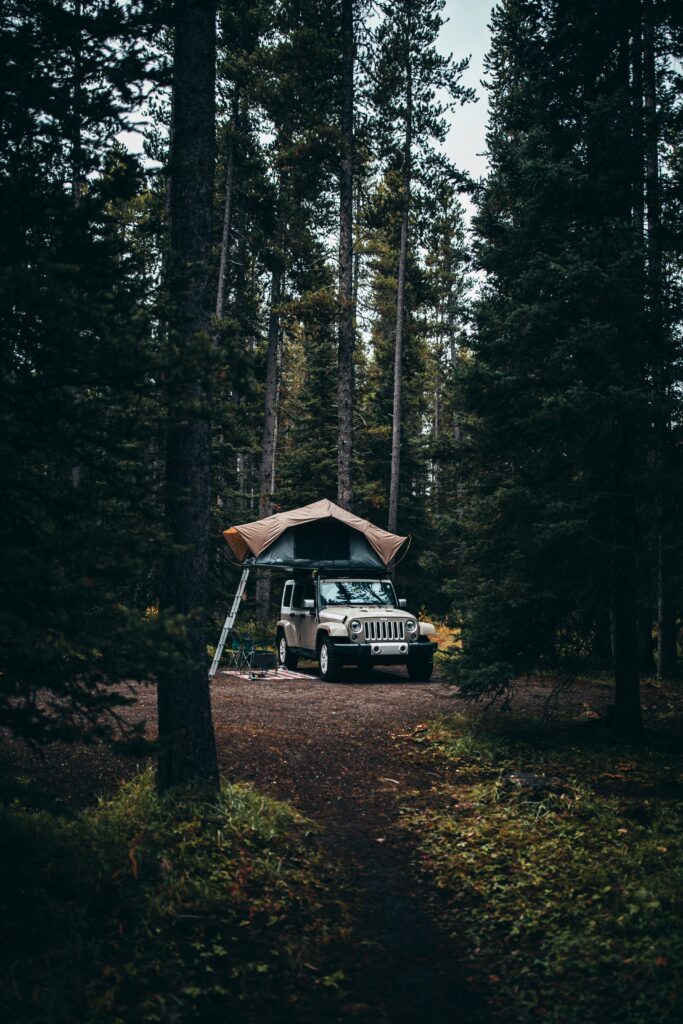
A 4×4 with a rooftop tent offers a high level of mobility and freedom. It’s a simple and efficient solution that allows you to go almost anywhere, but it also means accepting a lifestyle that is largely lived outdoors.
At the opposite end of the spectrum, a fully fitted expedition truck offers a level of comfort close to a fixed home. You can live inside it independently from external conditions, but at the cost of reduced mobility and limited access to certain remote areas.
Between these two extremes, there are intermediate options such as a pickup with a camper module, which provides real comfort while still remaining relatively versatile, or a fully equipped 4×4, which remains one of the most coherent choices for off-the-beaten-track travel.
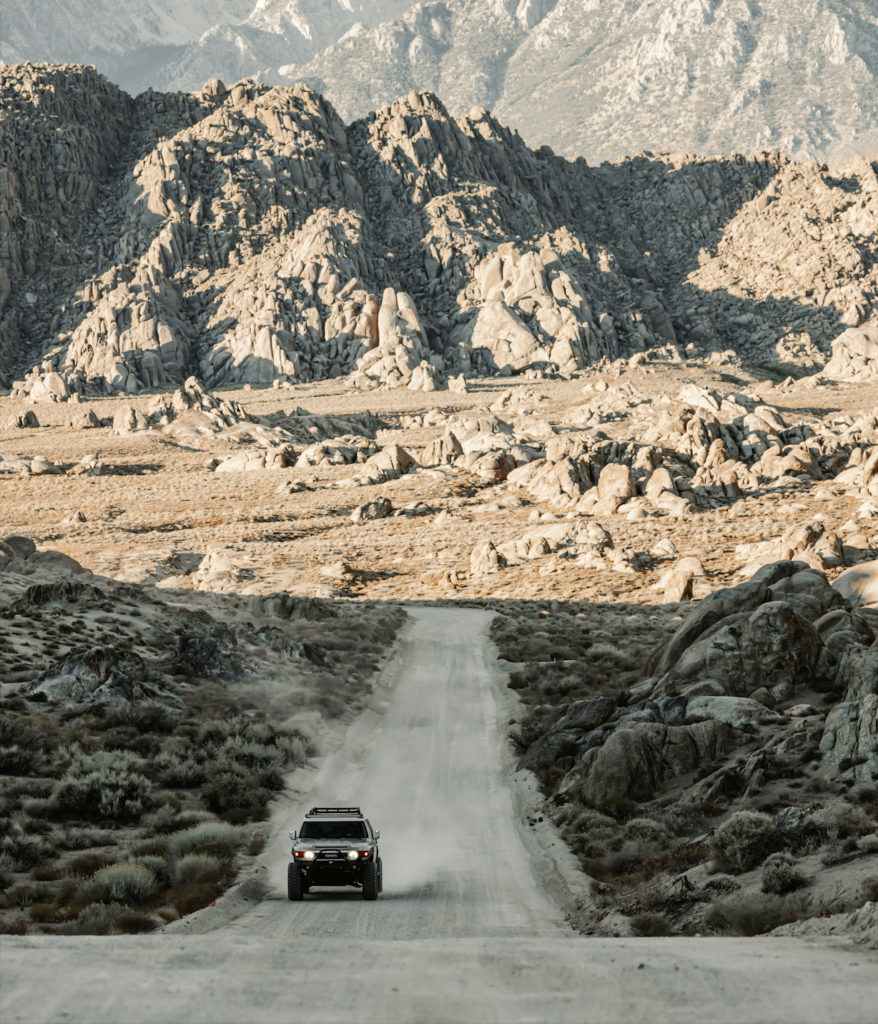
Vehicles like the Toyota Land Cruiser HZJ78 have become benchmarks for a simple reason : they strike a balance between robustness, load capacity, and modularity, while still being well suited to harsh environments for off-road and remote travel.
Interior set-up : simple storage or a real living space
Beyond the type of vehicle, one important decision concerns the interior setup.
Some people opt for a minimalist setup, designed purely as an optimised storage space. Everything is organised, each item has its place, but the vehicle is not really intended to be lived in. You might sleep inside it occasionally, but daily life still happens outside.
This type of setup has clear advantages : it keeps the vehicle light, simple, and capable off-road. It also reduces technical constraints and the risks that come with a more complex build.
But it also means a strong dependence on external conditions.
On the other end, others choose to make their vehicle truly liveable. This often involves a pop-top roof, usable interior height, and a space that allows you to cook, sit, and shelter properly.
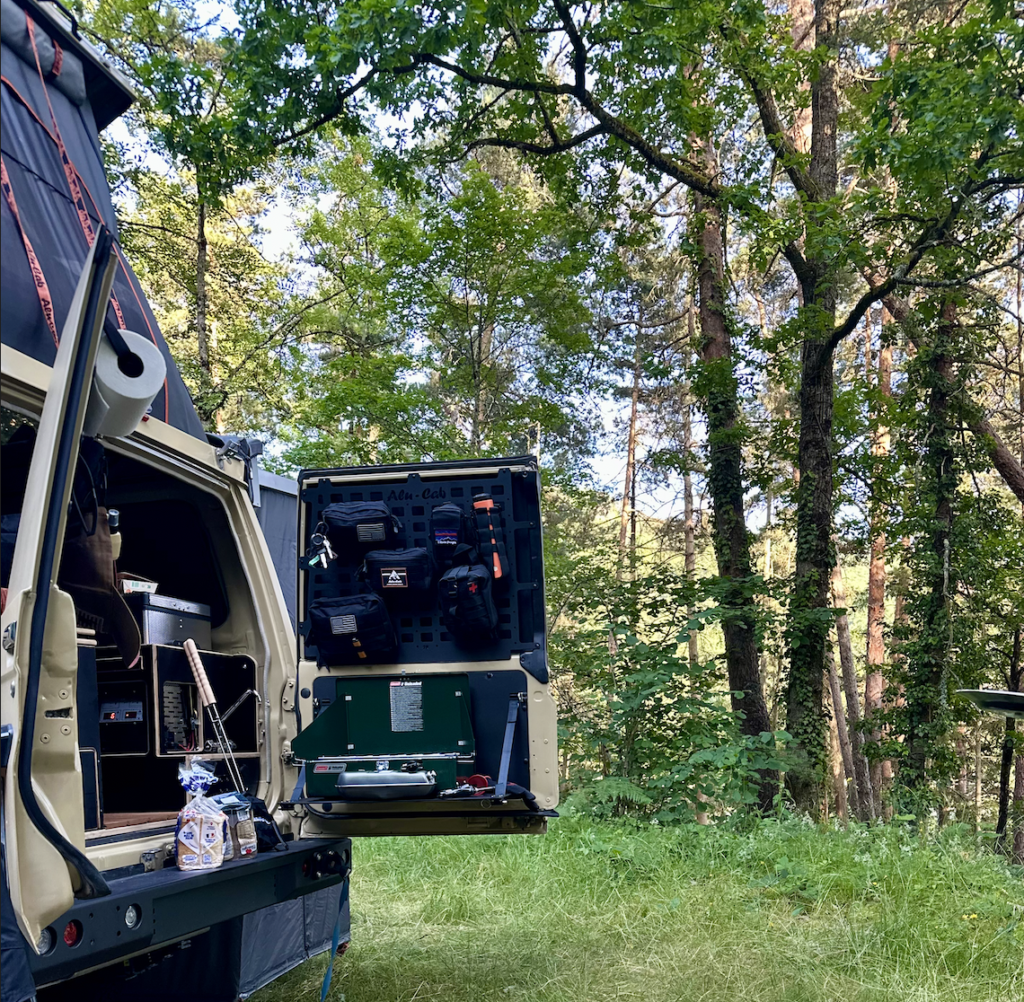
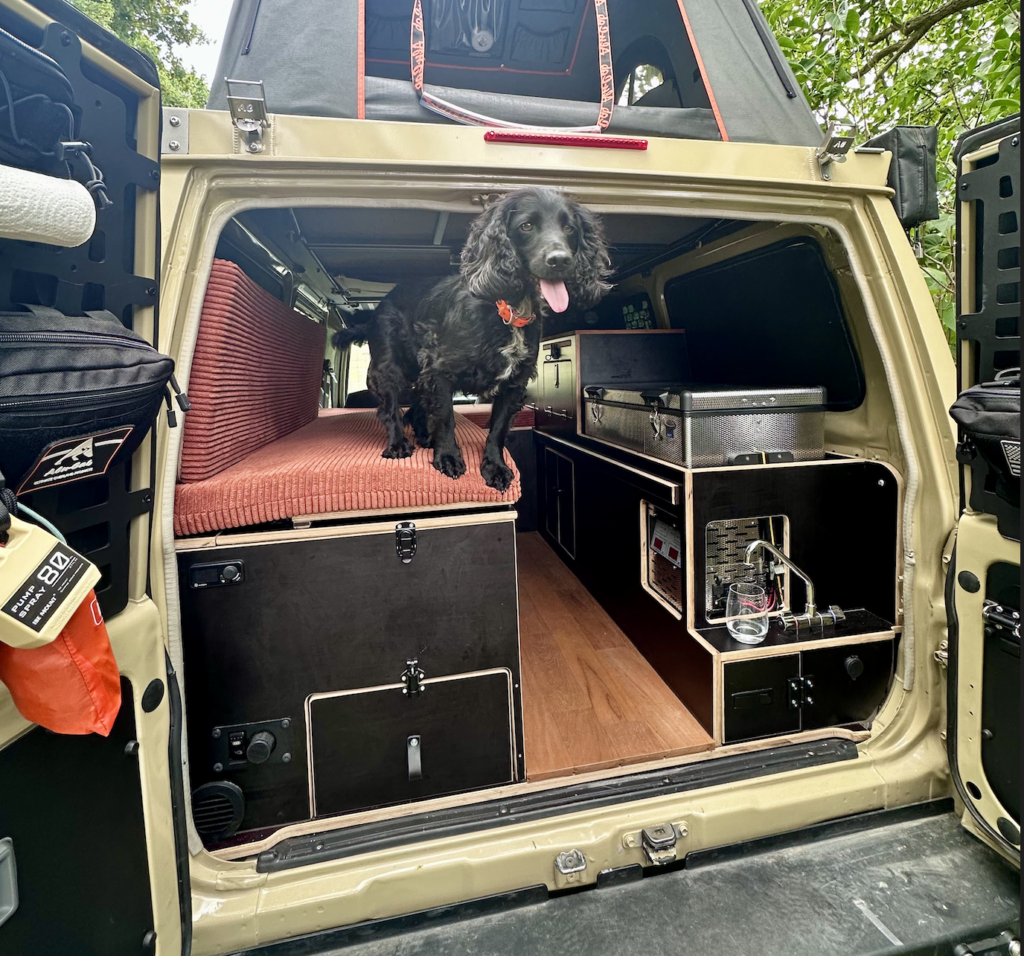
This choice brings obvious comfort, but above all a sense of continuity in the journey. You are no longer forced to adapt your entire daily life around the weather or external conditions just to function normally.
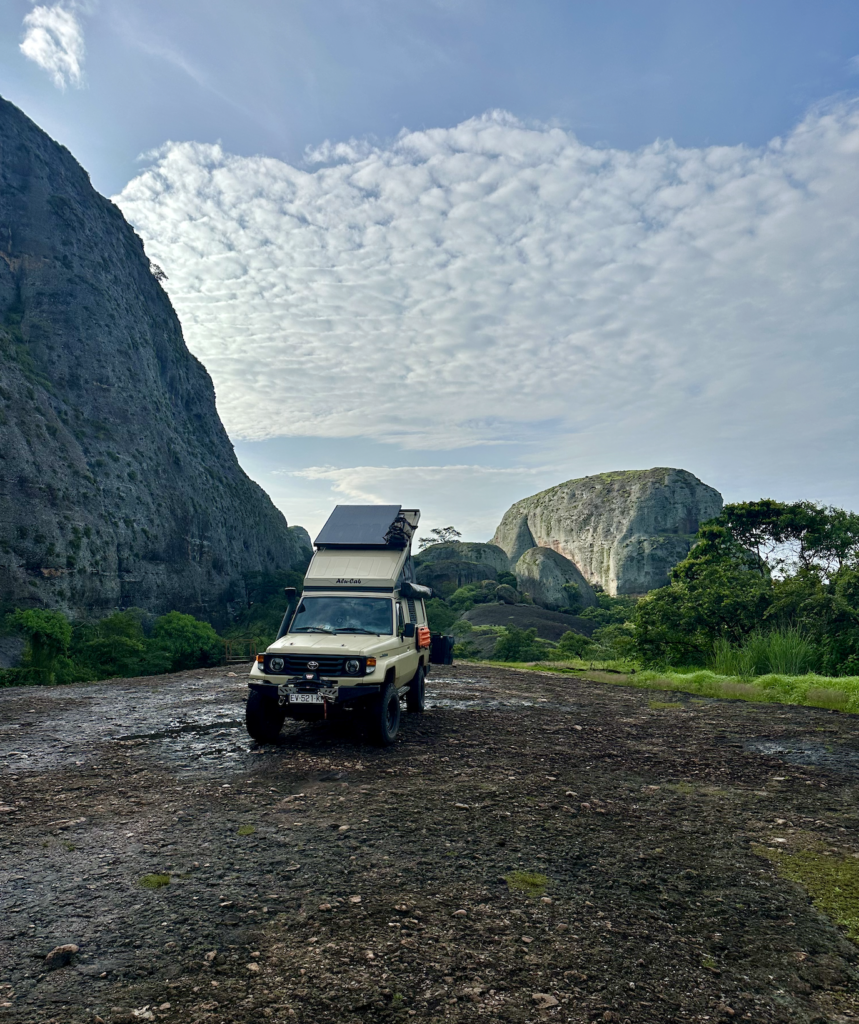
We experienced this very concretely at the Black Rocks in Angola. The weather had been stable, then rain suddenly came down on us without warning. In situations like this, everything that normally happens outside quickly becomes complicated (relaxing, cooking, washing…). Being able to simply take shelter and keep cooking inside completely changes the experience. It’s no longer a constraint, just an adaptation.
Choices that open… or close possibilities
The vehicle you choose won’t only influence your comfort, it will also determine where you can go.
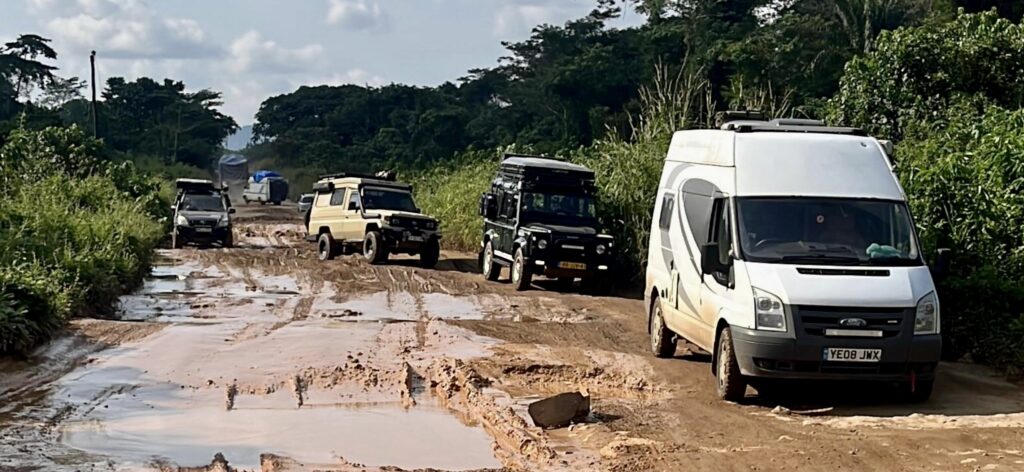
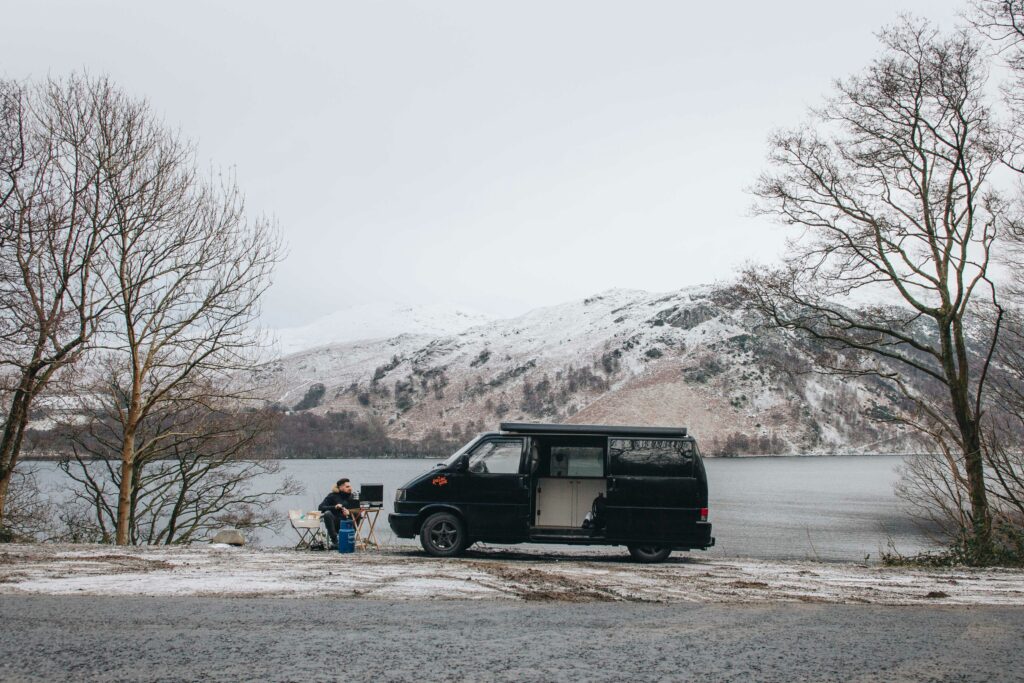
We met a British traveller in Nigeria who was driving down from London in a simple panel van, two-wheel drive, with no off-road modifications. His journey was still impressive, and it clearly shows that you can do a lot with very little.
But he himself admitted a key limitation: he had to give up many tracks and certain places simply because his vehicle couldn’t handle them. He was essentially limited to well-maintained roads.
This example sums up something that is often overlooked. All choices are possible, but none are neutral. Every setup opens certain doors, while closing others.
Budget : a false problem, but a real trap
Tu peux regarder nos accessoires et nos équipements préférés et utiles pour un roadtrip réussi !
Le vrai enjeu n’est pas de dépenser beaucoup, mais de dépenser intelligemment. The budget is often seen as a barrier to entry. Many people think you need to invest tens of thousands of euros to set off, with a fully equipped vehicle.
In reality, that’s rarely necessary.
It’s entirely possible to start with a simple, lightly modified vehicle, as long as you make thoughtful choices and avoid unnecessary extras. Proper maintenance, suitable tyres, a coherent setup, and a few essential items are already enough to travel far.
On the other hand, a heavily equipped vehicle that is poorly thought out can quickly become a constraint. The more equipment you add, the more weight, complexity, and potential points of failure you introduce.
And here’s a small confession: I’m the first to love gadgets and accessories. Every new product is tempting, especially when it promises to “make travel easier”. But the reality is that you sometimes have to hold yourself back. Otherwise, the budget quickly spirals on things that rarely prove useful in the field.
You can take a look at our favourite gear and essential accessories for a successful road trip in these two dedicated guides. The real challenge is not spending more, but spending wisely.
Simplicity or technology : a real on-the-ground question
Another key aspect concerns the level of technology in the vehicle.
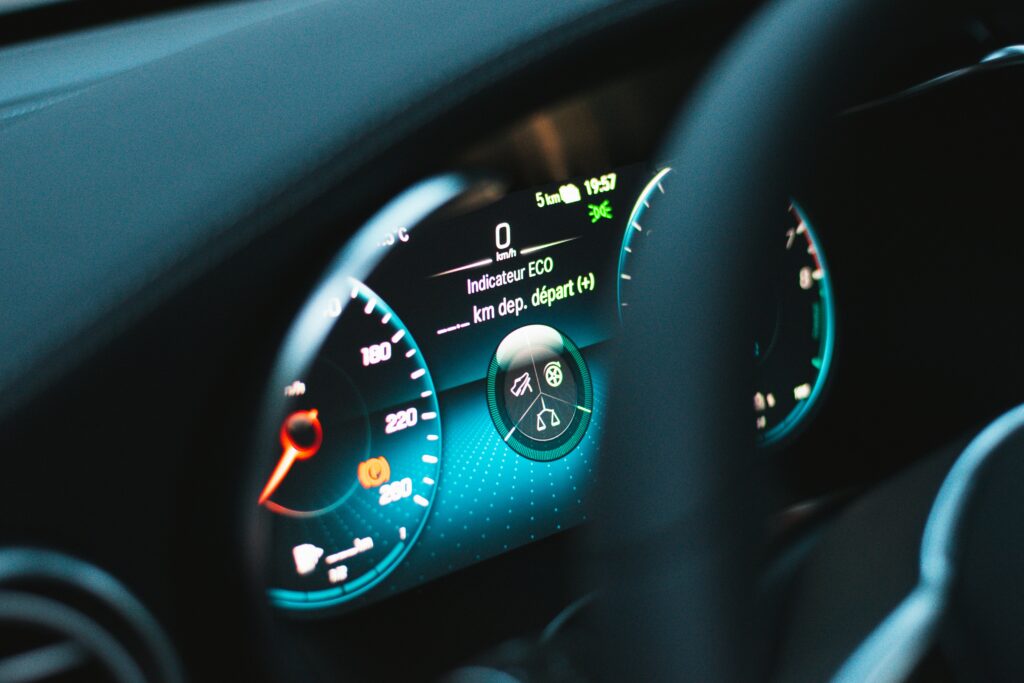
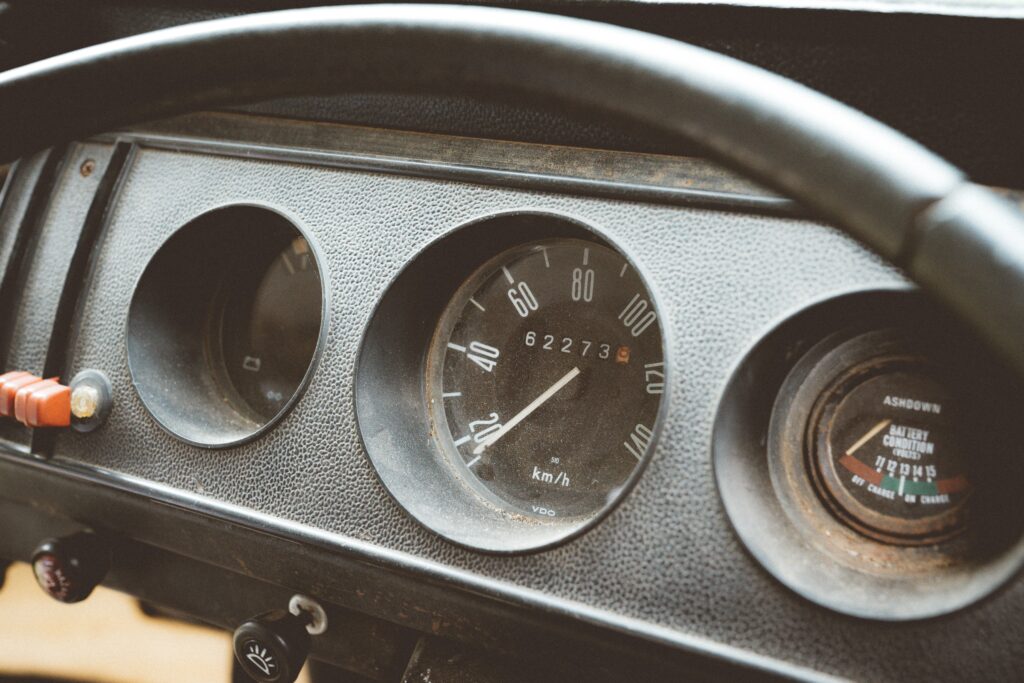
Modern vehicles bring comfort, safety, and superior performance. But this complexity quickly becomes a weakness as soon as you move away from well-established networks. An electronic failure can completely immobilise a vehicle, whereas a simpler mechanical setup often leaves more room for improvisation and repair.
This is why older or simpler vehicles are still widely used in remote regions. They are less comfortable to drive, but far more tolerant and easier to fix in the field.
Once again, it all depends on your environment. In Europe or along well-serviced routes, technology is rarely an issue. In Africa or in more remote regions, simplicity becomes a form of safety.
The importance of climate and environment
We often forget that a vehicle doesn’t behave the same way depending on the climate.
High heat, dust, humidity, or altitude don’t put pressure on the same components. A vehicle designed for African tracks will need to prioritise cooling, filtration, and overall robustness. In humid regions, corrosion resistance and waterproofing become key concerns. At high altitude or in cold conditions, other challenges come into play.
A good choice is therefore always tied to a specific environment, not to a general idea of travel.
Choosing an overland vehicle is not about finding the best option in absolute terms, but the most coherent one for your own project.
Between a 4×4 with a rooftop tent, a fully built-out camper, a pickup with a camper module, or a truck, there is no perfect solution. Only trade-offs, constraints, and decisions you have to fully accept.
Some will prioritise lightness and mobility. Others will favour comfort and autonomy. Some are comfortable living outdoors, while others need an interior space to truly feel at home.
What matters is not copying a setup, but understanding what each choice actually involves.
Because in the end, a vehicle is not just about moving forward. It shapes the way you experience your journey, and the places you will be able to reach.